National GARIMA Conclave Begins in Bhubaneswar, Focus on Safety and Dignity of Sanitation Workers
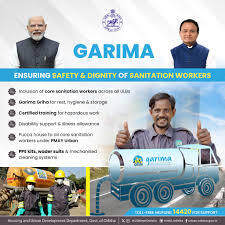
Bhubaneswar, August 22, 2026: Odisha is hosting the National Conclave on GARIMA in Bhubaneswar on August 22–23, bringing together policymakers, urban local bodies, sanitation workers, technology experts and development partners to discuss safer, dignified and mechanised sanitation practices.
The two-day conclave is being organised as part of Garima Day celebrations at the State Convention Centre, Lok Seva Bhavan. The event focuses on strengthening the implementation of Odisha’s flagship GARIMA Scheme, which seeks to protect the safety, dignity, health and social security of core sanitation workers.
Focus on Ending Hazardous Manual Sanitation Work
The GARIMA initiative aims to replace hazardous manual sanitation practices with mechanised cleaning systems, while ensuring that workers receive appropriate safety equipment, skill development, social security and better livelihood opportunities.
The Odisha Government has been intensifying implementation of the scheme across Urban Local Bodies, including universal identification and registration of eligible core sanitation workers. The initiative also promotes the use of personal protective equipment and modern sanitation machinery.
‘Legal Cleaning, Safe Cleaning’ Campaign
Ahead of the conclave, the Housing & Urban Development Department conducted a 15-day statewide “Aainagata Safai, Surakshita Safai” (Legal Cleaning, Safe Cleaning) awareness campaign from August 7 to 21.
The campaign encouraged citizens, hotels, hospitals and other establishments to use authorised and mechanised sanitation services instead of engaging illegal operators. Urban Local Bodies also undertook enforcement drives against unregistered cesspool vehicles and promoted the 14420 GARIMA helpline for sanitation-related services.
Odisha’s GARIMA Model in National Spotlight
The conclave provides Odisha an opportunity to showcase its experience in transforming sanitation work through mechanisation, worker protection and welfare measures.
The GARIMA Scheme covers core sanitation workers involved in hazardous sanitation activities and provides a framework for safer working conditions, skill development and access to social security.
A major focus of the discussions will be how technology and institutional reforms can ensure that sanitation workers no longer have to risk their lives while cleaning sewers and septic tanks.
Human Stories Highlight Impact
The transformation being brought about by GARIMA is also reflected in the experiences of sanitation workers who have moved from hazardous manual work to safer, skilled occupations.
Odisha’s first woman desludger, Jhunulata Naik, is one such example. After receiving specialised training under the GARIMA Scheme, she moved from cleaning toilets at a nursing home to working as a trained desludger with safety equipment and regular remuneration. Her journey has become an example of how skill development and institutional support can create dignity and economic independence.
Aiming for Safer and Dignified Sanitation
The National GARIMA Conclave is expected to strengthen cooperation between governments, technology providers, sanitation professionals and development organisations.
The broader objective is clear: sanitation workers who keep cities clean must themselves be protected, respected and provided with dignified working conditions. Odisha’s GARIMA model is being positioned as an example of how mechanisation, welfare support and worker-centric policies can transform the sanitation sector.